 +385 52 501 333
 info@maris.hr


Real Estate Specialisation: What I Learned from the Best Turkish Agent (And what it means for the Istrian market)
A contact database and one area: what I learned from Mert Sakallıoğlu at the KW Reunion in Slovenia
I was recently at the KW Reunion in Slovenia, attending a talk led by Mert Sakallıoğlu, an agent from Istanbul and the founder of the Emlak Makinesi team within Keller Williams. One sentence of his kept me awake the whole evening:
“If you think you have enough contacts in your database, then you do not have enough.”
Mert has been in real estate for nine years. That sounds short until you hear the context: Keller Williams in Turkey has around 4,000 agents, and around 650 work in his market centre alone. To be the top producer in that kind of environment, and after only nine years, means someone has built something special.
That is why I listened carefully, and that is why in this text I am sharing what he said, and then connecting it with what we see in our own market, in Pula and the surrounding area, and with the way we work at Maris.
What is a “contact database”, really?
When an agent says contact database, most people imagine a list of phone numbers in a mobile phone.
Mert sees it completely differently.
For him, a database is a living, growing system of relationships with people, nurtured over the years, regardless of whether someone is looking for a property today or maybe not for another five years.
An agent’s job is not to call people and offer them properties. The job is to stay in constant, natural contact with people and to add new contacts every day, so that when they one day need a property, you are the first and only logical address.
It is a philosophy that fits perfectly with what I believe myself: we do not chase clients, we help them.
The difference is subtle, but crucial.
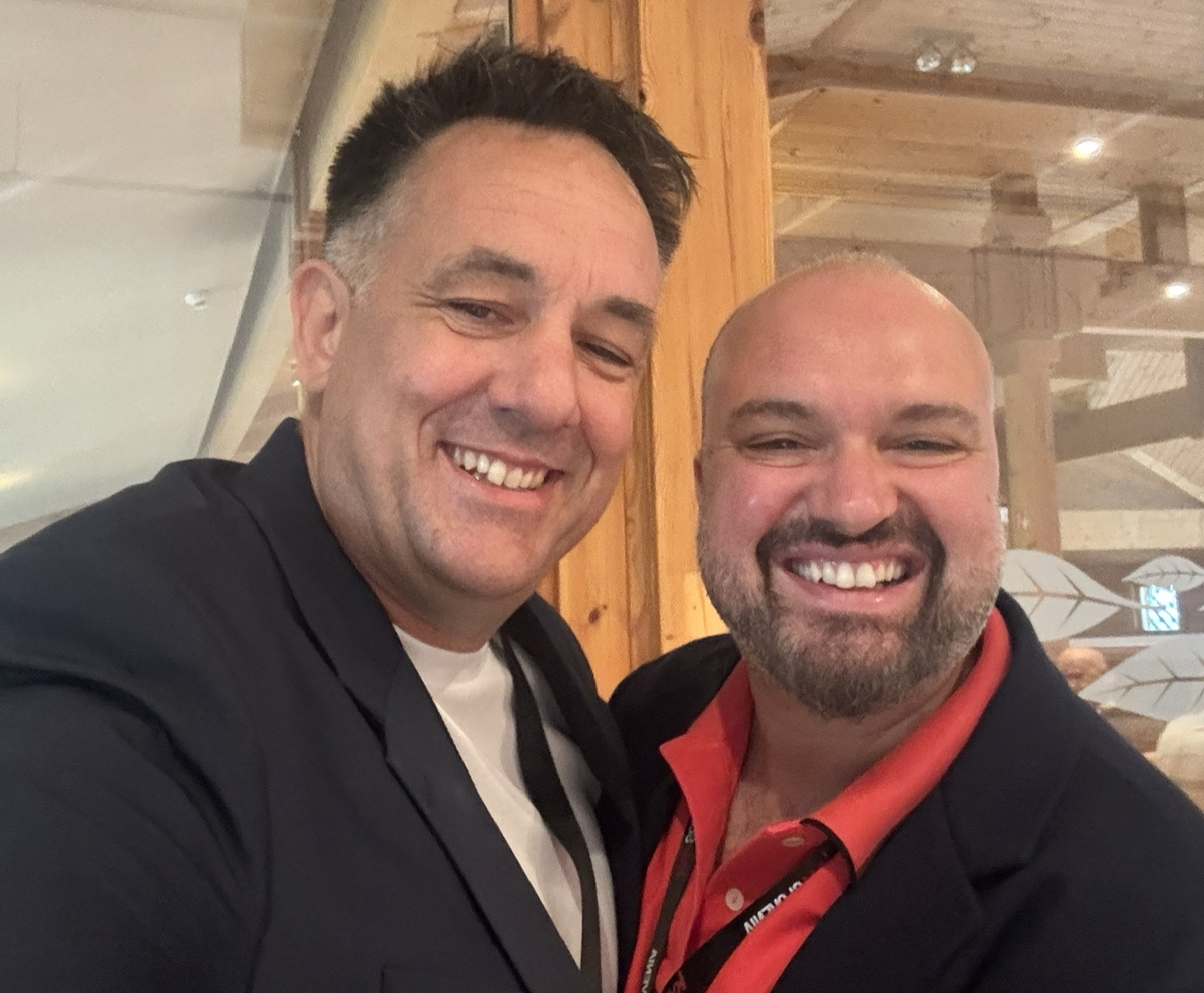
Main points from Mert’s presentation
1. The numbers behind discipline
Mert does not speak generally about “working with people”; he speaks about measurable activities that he repeats every day, for nine years without stopping.
He shared several concrete standards:
He actively qualifies around 70 contacts per month, while many more pass through his wider network.
He holds 40 or more listing presentations per month as a personal goal.
He calculates that only 2 to 5 percent of the contacts in a database will actually convert, which means the database must be large for the numbers to make sense.
He says that today he knows around 40,000 more people than before he entered real estate.
What impressed me was not the size of the numbers, but the consistency.
“I have not been doing this occasionally for nine years. I do it every day,” he said.
Discipline, not talent, brings the result.
2. For beginners: first earn the right to invest
Mert described how he started almost without capital. No marketing budget, no car, no team.
His advice to those just starting out was very practical: the commission you earn from your first deals is not your salary, but the seed for the next deal.
First calculate how much you need to live, and reinvest everything above that into your own business, into marketing, tools, and growth.
Today he invests around 10 percent in marketing, but only after years of building the foundation.
He also set a healthy expectation: in the beginning, it is not pretty. If you do not have a database, recommendations, or a track record, the first few months are difficult, and that is normal.
What carries you through is not luck, but persistence and what he calls a “life mentality”, a long-term way of thinking.
3. Choose one lead-generation tactic and repeat it
Mert teaches, as he said, around twenty tactics for generating contacts.
But his message to the panel was the opposite of what you might expect: do not do all twenty.
Choose one and do it every day.
Whether it is open houses, networking in clubs, coffees with acquaintances, or walking your own area, the key is not variety, but frequency.
“Seven times, every day, for months,” is how he described the rhythm.
A tactic you try three times and then abandon does not work.
4. How to start the conversation in the first place
I asked him how, when he meets a new person, he moves the conversation towards real estate.
The answer was refreshingly unobtrusive: he does not immediately introduce himself as an agent.
First he asks the other person what they do, listens, and only when it is his turn does he mention that he is in real estate.
If the person does not show interest, he does not insist.
The contact enters the database, the relationship is built over time, and a conversation about a specific property comes naturally, or it does not come at all.
No pressure.
That is, once again, the same instinct on which our approach is based.
5. Specialisation in one area
Perhaps the most important part of the presentation for our market.
Mert specialises in only four micro-locations in Istanbul: Nişantaşı, Etiler, Ulus and Bebek, and he does not change that.
He explained that after nine years he knows absolutely everything about those neighbourhoods: where to park, where to drink the best coffee, which doctor is the best, how traffic moves, and which prices were actually achieved.
That depth of knowledge is what makes him an expert people trust.
From that specialisation comes something many agents see as a loss, but which is actually a gain: if you are known for one area, other agents refer clients to you for that area, and you refer clients to them when they are looking elsewhere.
Mert said that this is exactly why agents from all over Istanbul recommend him.
Cooperation, not competition, becomes a source of business.
“If you are not specialised, no one will recommend you,” he summed it up.
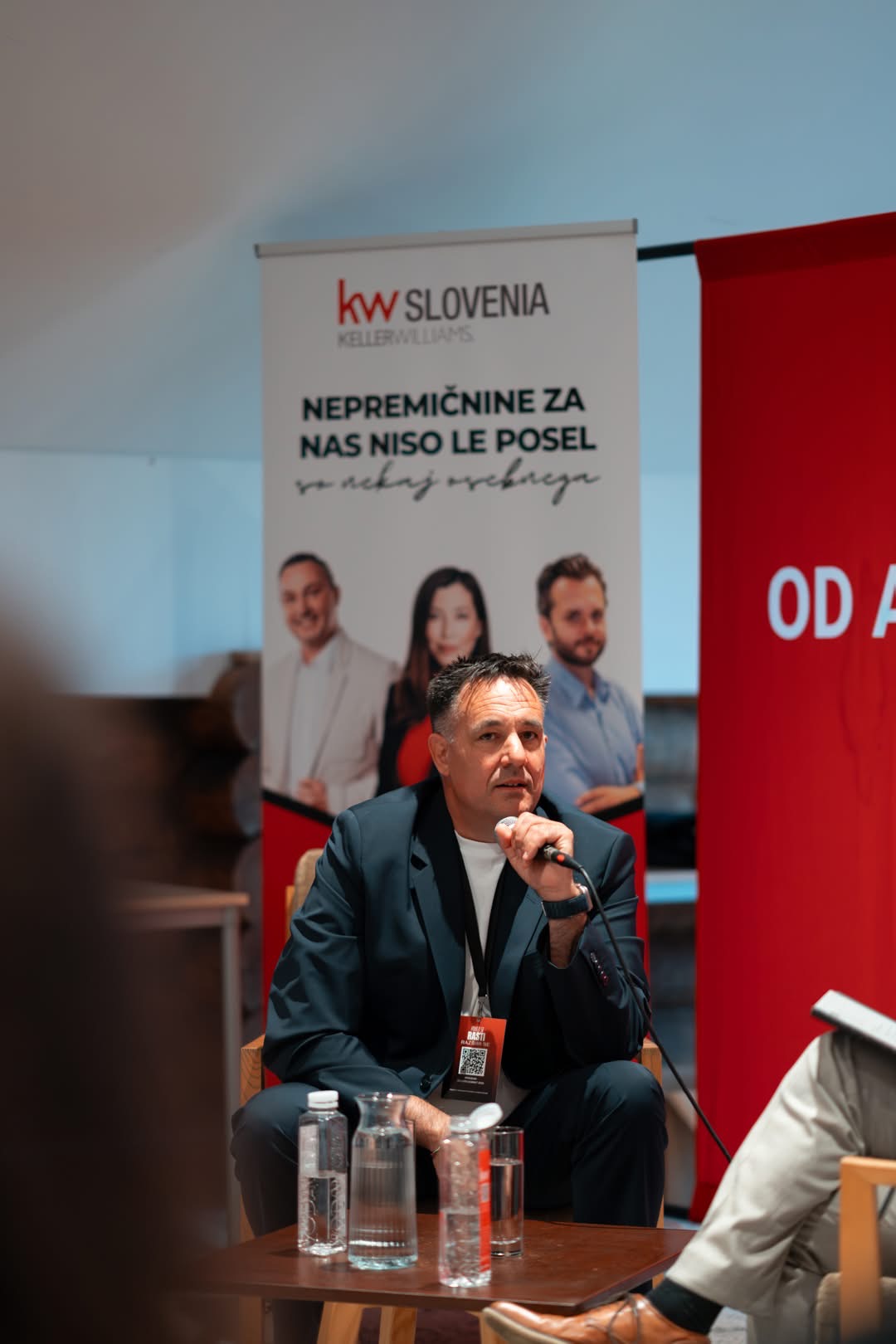
A structured market vs. the real estate market in Istria
In Istanbul, Mert operates in a very developed, densely populated, and competitive market, where hundreds of agents claim they “work everywhere”.
That is exactly why specialisation in four neighbourhoods has such power: it sets him apart from the crowd.
Here, when it comes to selling properties in Pula and the surrounding area, the situation is different in one way and surprisingly similar in another.
It is different because the market is smaller and many agents cover the entire region.
It is similar because micro-location specialisation is still an almost unused advantage here.
An agent who truly knows individual Pula neighbourhoods down to the level of the street, the view, and access to the sea has a huge advantage over those who offer “everything, everywhere”.
The second difference is the nature of the database.
In a big city, a database is a tool for breaking through anonymity.
In a small community like ours, where people know one another, a database is more than a list: it is a reflection of your reputation.
That is why the pressure-free approach Mert describes is not just a tactic here, but a necessity.
A bad reputation travels fast, but a good one travels even faster.
What this means for you
If you are thinking about selling a property in southern Istria:
- Look for an agent who truly knows your micro-location, not someone who covers half the county. Depth of knowledge about your street, the view, access, and actually achieved prices directly affects whether your property will sell and at what price.
- Ask the agent whether they cooperate with other agencies. Agency cooperation means more qualified buyers for your property, not fewer.
If you are a buyer, especially from abroad:
- If you are interested in buying property in Istria and finding the best houses, land, and luxury villas, the value of a good agent is not in sending you fifty random listings. The value lies in knowing the ground so well that the agent can guide you towards what truly fits you and protect you from expensive mistakes.
- An agent who does not push, but listens, is a better long-term ally than one who rushes to close.
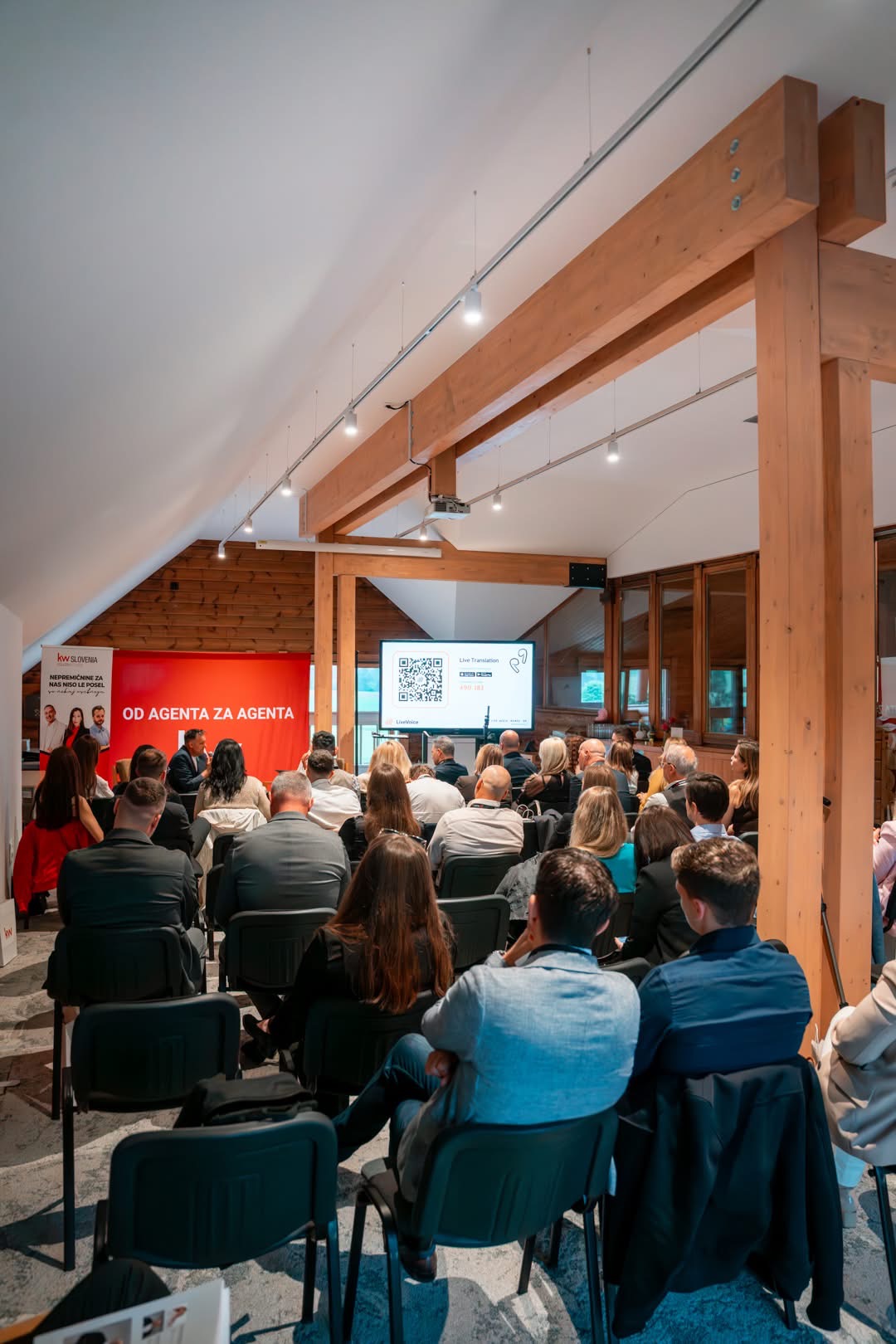
Conclusion
Mert’s presentation was not about secret tricks.
It was about two very simple things done with incredible consistency: nurturing a database of relationships and becoming genuinely the best in one area.
Everything else, the numbers, commissions, and team growth, is a consequence of that.
That is exactly what I believe in and why at Maris we consciously keep a small, focused portfolio and work exclusively in the area we know in detail.
Through our partnership with Keller Williams, this philosophy of cooperation and specialisation also gains international reach, bringing direct benefit to our clients, sellers and buyers alike.
Frequently asked questions
What does it mean for an agent to be “specialised in a micro-location”?
It means that the agent deeply knows one narrow area, down to individual streets, views, and access to the sea.
They know what is being sold there and at what price, as well as reliable local tradespeople, instead of superficially covering the entire region.
That depth of knowledge directly protects both the buyer and the seller.
Why is it good news for a seller when agencies cooperate with one another?
Because cooperation means your property is seen and offered to a wider circle of qualified buyers, through the networks of several agents, not only the clients of one agency.
More real buyers usually means a better and faster sale.
Does an agent have to “chase” clients to be successful?
No.
The approach Mert describes, and which we also apply, is based on building relationships and trust without pressure.
The client turns to the agent when they are ready, and the agent is then the first logical address because they have built that relationship and reputation for years.
Does the advice about a “contact database” also apply in a small market like Istria?
Yes, even more so.
In a small community, a database is not just a list of contacts, but a reflection of your reputation.
A pressure-free approach and consistent nurturing of relationships are a necessity here, because both good and bad reputations travel fast.
How is the market in southern Istria different from a big city like Istanbul?
Our market is smaller and many agents cover the entire region, so true micro-location specialisation is still an underused advantage here.
In a metropolis, specialisation separates an agent from hundreds of competitors; here, it makes them a true local expert.
How does a foreign buyer recognise a good agent in Istria?
By the fact that they do not overwhelm you with listings, but listen to your needs, know the ground in detail, and openly warn you about risks.
The goal of a good agent is not to close quickly, but to find what truly suits you.
In developed markets, buyers therefore hire an expert team that works exclusively for them.
At the same panel in Slovenia, I also listened to a panellist from the UK whose agency does exactly that, and I wrote in more detail about it in a separate text on what a buyer’s agent is.
At Maris, we offer precisely that as a separate service that safely guides you through the entire buying process.
If you are thinking about buying or selling a property in southern Istria and want to work with an agent who knows the ground in detail and works without pressure, contact me.
I will gladly go through your situation with you and suggest concrete next steps.
Aljoša Vučetić
Phone: +385 98 190 0688 (WhatsApp · Viber)
E-mail: aljosa@maris.hr
Web: www.maris.hr
