 +385 52 501 333
 info@maris.hr



Real estate buyer’s agent: what I learned at the panel in Ljubljana
Written by: Aljoša Vučetić, Maris Real Estate
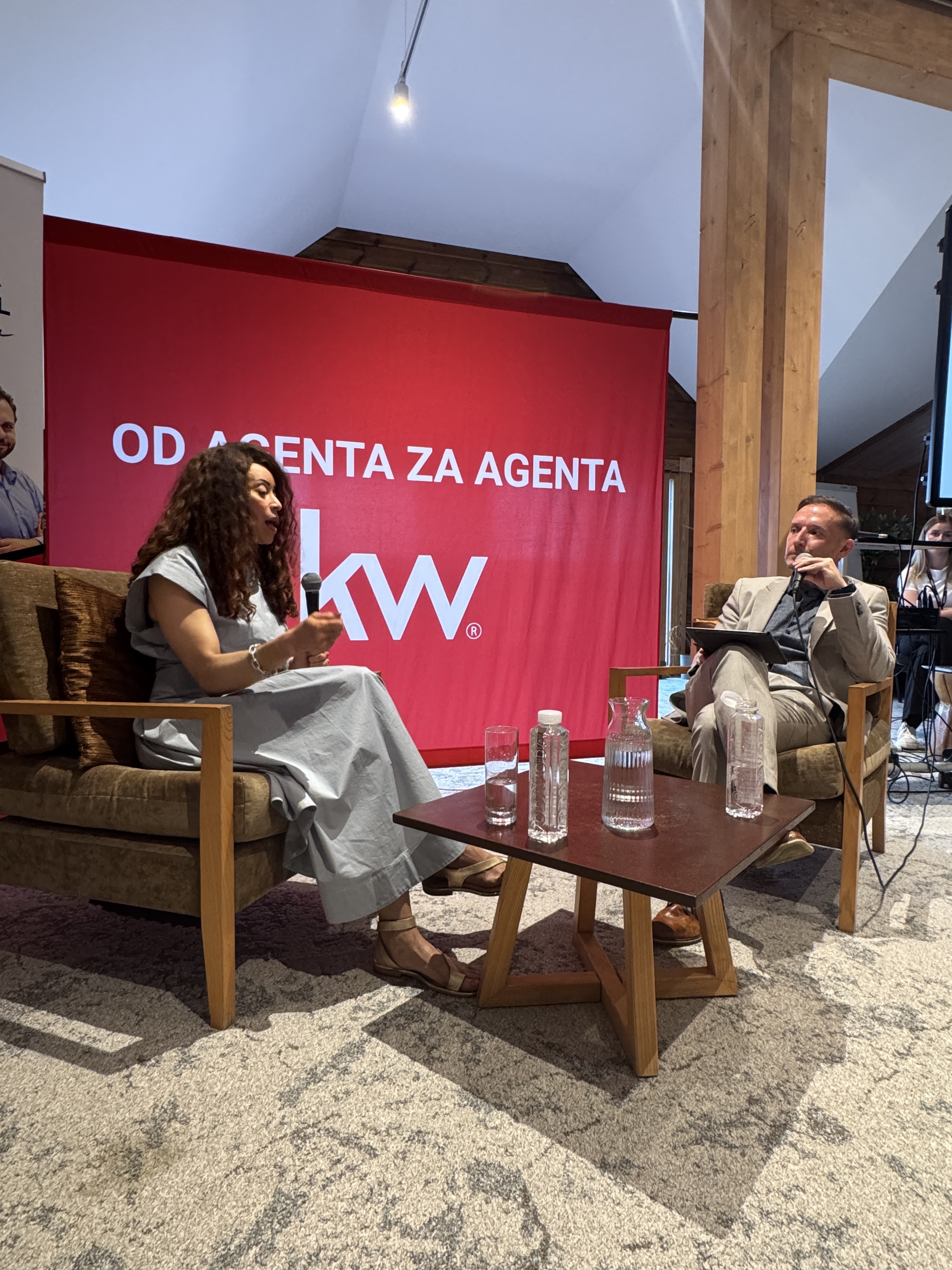
At the beginning of June, I was sitting in Ljubljana on a panel with my colleague Uga, a London-based agent who has been representing buyers exclusively for around thirteen years. What kept me alert throughout the whole talk was not the story about luxury neighbourhoods, but something much simpler: the way she thinks about who she actually works for.
In Croatia, the model of a property buyer’s agent, or buyer representation instead of seller representation, is only just beginning to develop more seriously. At Maris, we already offer this service, but we rarely explain what it actually means in the real process of buying a property. That is why I thought it would be useful to describe how it works for someone who has been doing this for years, and where it overlaps with what we do in Croatia. That someone is Uga.
What is a property buyer’s agent?
Most people assume that the agent they call from a property listing is automatically on their side. In practice, that is usually not the case. The listing agent usually represents the seller, and their job is to sell that particular property at the best possible price.
A property buyer’s agent does the opposite. Their job is to represent the buyer’s interests, search the market, analyse options, point out potential problems and help with negotiations. In other words, the buyer has their own professional working exclusively for them.
Who the agent works for
The biggest misunderstanding is the same in every market. A buyer sees a listing, calls the agent from that listing and thinks they now have “their” person. They do not. That agent has an agreement with the seller, and their job is to sell that specific property at the best possible price for the owner.
Uga’s model turns that logic around. She is not selling anyone’s house. She represents the buyer and searches the entire market on their behalf, from the first property selection to the handover of the keys. One agent working exclusively for the buyer, without conflict of interest and without pressure to push them towards a particular property just because someone needs to close a sale.
The difference is not cosmetic. When an agent works for you, honest feedback about a property’s flaws is part of the job, not a risk to the commission.
How she charges, and why she asks for an upfront fee
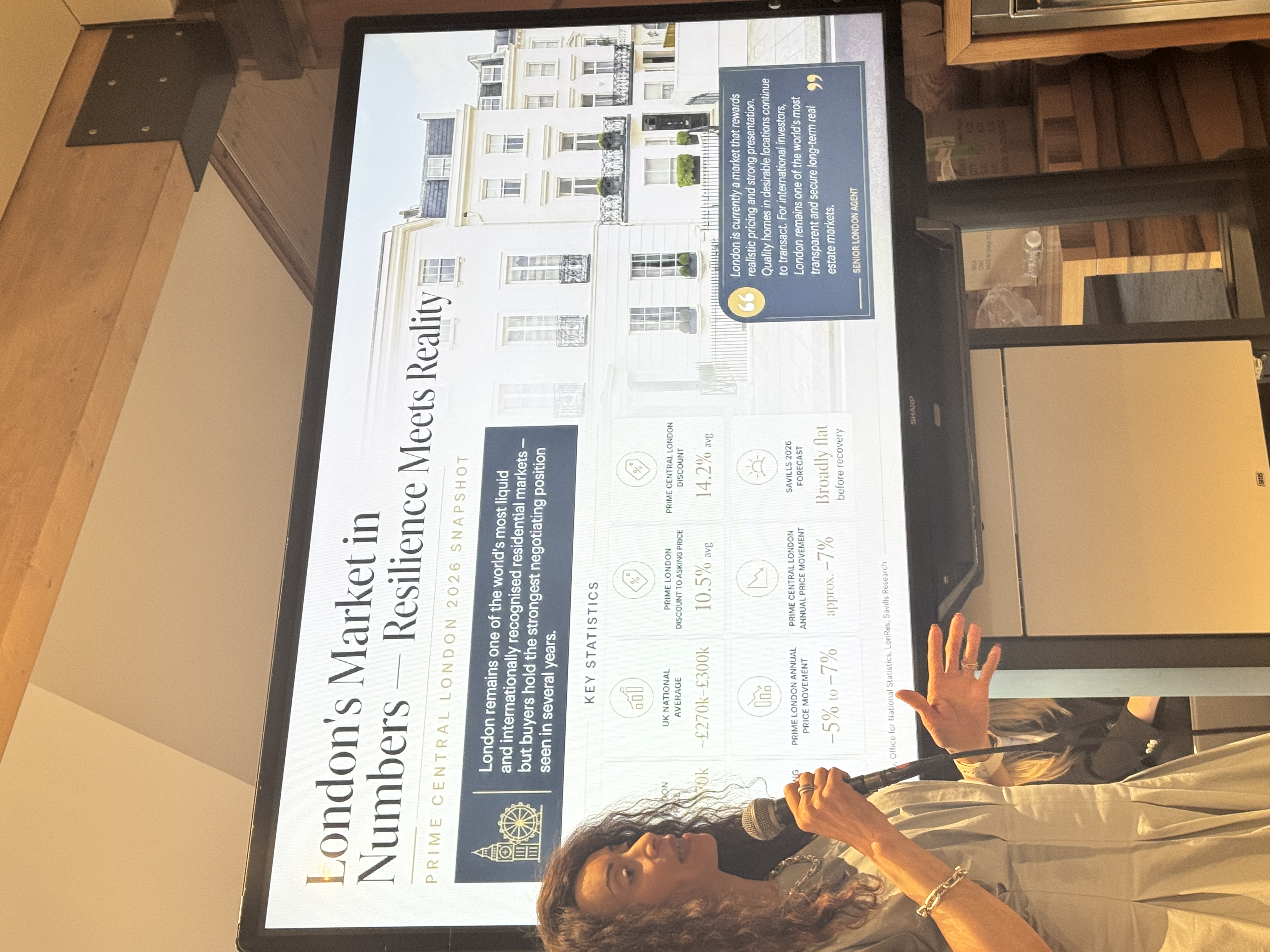
This was the most concrete part of Uga’s presentation, so it is worth sharing the numbers exactly as she presented them.
Her commission for buyer representation is 2.5%. But before she even starts working, the buyer pays a non-refundable upfront fee of around £2,500 to £3,000, which is later deducted from the commission. You can see how the price of our buyer service works on a separate page.
The logic behind this is sharp, but fair: someone who is not willing to invest anything is not a serious buyer. The upfront fee is what the English call skin in the game - proof that there is genuine intent on the table, not just casual browsing.
Her main argument for why the commission pays off: she says that, over the past few years, she has negotiated between 5% and 20% below the asking price for her clients. If that is the case, the saving achieved in negotiations covers the commission, and often exceeds it.
And that brings us to something rarely said out loud. Uga’s work can remain at 2.5% because she operates in a structured market. There, properties are generally legally clean, ownership is clear, documentation is in order and permits are in place.
On top of that, agents cooperate with one another. Properties are visible to everyone, shared openly, and the buyer’s agent has access to the whole supply, not just their own listings. The agent therefore mostly does what the job description says: searches, filters and negotiates. The difficult part has already been solved by the system before the agent even enters the process.
In Croatia, the picture is different, and that changes the maths. A large part of our property market comes with some kind of issue: unresolved documentation, lack of a use permit, incomplete infrastructure or inheritance matters that have not been fully settled.
And the most important point: almost 99% of properties are sold through several agencies at the same time. That sounds like more choice, but in practice it is often the opposite. Properties are hidden, the same property appears under different descriptions and prices, and the buyer’s search becomes harder instead of easier. Our analysis of apartment listings in Pula showed just how widespread this is, with 61% of listings on Njuškalo being duplicates.
This is exactly why cooperation between agencies is what separates a structured market from an unstructured one. When agents share listings openly, the buyer gains access to everything, not just the crumbs that a particular office wants to show.
That is why I am glad that Maris has become a partner of the Keller Williams family, a network where cooperation among agents is the foundation of the business. For our market, where hidden listings and duplicate ads are part of daily life, this cooperation model is not a trend but something that is genuinely missing. I wrote more about why cooperation between agencies is the key to your ideal property in a separate article.
What she does for the buyer
Uga’s process is not “I’ll send you links from property portals”. It looks roughly like this:
Initial consultation. Not a wish list, but a conversation. The goal is to understand how a person lives and what they actually need, because that leads to completely different properties than dry criteria. We described the entire process step by step in our buyer’s guide.
Qualification in both directions. She chooses who she works with. She keeps a small circle of serious clients, not everyone who calls. That sounds arrogant until you realise it is the only way to give each client proper attention.
Market education. She helps the buyer understand the market, price differences and, perhaps most importantly, that buying a property is almost always a compromise. In her experience, nine out of ten purchases end with some kind of concession. That is why, at the start, she asks for three non-negotiable criteria. Everything else is open to discussion.
A transparent system. Every viewed property goes into a shared spreadsheet with the price, photos, video and her comment. The buyer can see the entire history at any moment and share it with a spouse or family member. No guessing, everything in one place.
How long the property search takes
One number from the panel deserves special attention because it breaks the biggest buyer illusion: that the right property can be found in a weekend.
Uga’s usual timeframe for finding the right property is three to six months. That is not slowness. That is seriousness. During that time, properties are viewed, eliminated, negotiated and the right moment is waited for.
In Croatia, because of the lack of market transparency, the search can take even longer. If the buyer searches alone, it can easily stretch to a year. That is exactly why the buyer representation model is an excellent choice here: if agencies start working this way, buyers can save a great deal of time and avoid many stressful situations.
From my own experience, my clients are most often those who first tried on their own. They went through hidden listings, the same apartment under three different prices and a search that lasted for months without results. Only then did they truly understand what it means to have someone searching the entire market on their behalf.
A buyer who knows this in advance does not enter the process with the wrong expectations.
What this means for you
Ask who the agent works for. If the person on the other side has an agreement with the seller, they are not your representative, no matter how pleasant they are. That is not a flaw. It is simply a fact you need to know.
An upfront fee is not a cost, but a filter. When an agent asks for a commitment at the beginning, it is a sign that they choose their clients seriously, not that they take anyone who happens to come along.
The level of commission says a lot about how structured the market is. A low commission is a luxury of a market where properties are legally clean and agents share supply openly.
The real question is not how much the service costs, but how much it brings you in negotiations and how many poor decisions it protects you from.
Buying is a compromise. Decide which three things are not. Those who look for perfection buy nothing. Those who know their three non-negotiable criteria decide faster and with less regret.
Think in months, not days. Whether you are buying in London or Pula, the right property takes time. Patience is part of the strategy, not a lack of one.
It will be interesting to see how this model develops here. Foreign buyers are increasingly arriving used to having their own representative, and they are asking for the same here. The Pula market and its surroundings, with a limited supply of quality properties and a relatively small number of serious buyers, is exactly the kind of terrain where the buyer representation model makes the most sense. More detailed figures on prices and trends are available in our property market analysis for Pula and the surrounding area.
Conclusion
What I brought back from Ljubljana was not some secret technique, but confirmation of something simple: in a mature market, the buyer has someone who works only for them, pays for that consciously and gets value back through a better price and avoided mistakes.
The buyer must understand that the agent from the listing is not their ally and that the right opportunity is searched for over months, not days.
And the seller must understand that a market where buyers have their own professional is a market where empty numbers and polished listings have an increasingly hard time passing through.
If you are interested in what our property search service looks like in practice, I described it in detail here: Thinking of buying property in Croatia? Pros and cons of a property search service for international buyers.
Frequently asked questions
What does a property buyer’s agent do?
A buyer’s agent exclusively represents the buyer’s interests. They help find a property, analyse the market, negotiate the price and check potential risks before purchase.
Who pays the buyer’s agent?
Most often, the buyer pays the agent through an agreed fee or buyer representation commission.
Is it worth using a buyer’s agent in Croatia?
That depends on the buyer’s experience and the complexity of the transaction. When buying higher-value properties or buying from abroad, professional representation can often prevent costly mistakes.
How long does the property search take?
On average, between three and six months. In Croatia, because of market opacity, the search can take even longer. If the buyer searches alone, it can easily stretch to a year. That is why professional buyer representation saves a great deal of time and stress.
Can a buyer’s agent negotiate the price?
Yes. One of their main tasks is to help the buyer achieve the most favourable purchase terms.
Planning to buy property in Pula or the surrounding area?
I can help you find a property, analyse the location, check documentation and negotiate the price as your buyer’s representative. See how our property search service works or contact me directly.
Aljoša Vučetić
Phone: +385 98 190 0688 (WhatsApp · Viber)
E-mail: aljosa@maris.hr
Web: www.maris.hr
