+385 52 501 333
 info@maris.hr


Real Estate Brokerage Act: a roundtable in Pula
Author: Aljoša Vučetić, President of the Professional Group of Real Estate Brokers at the Pula County Chamber
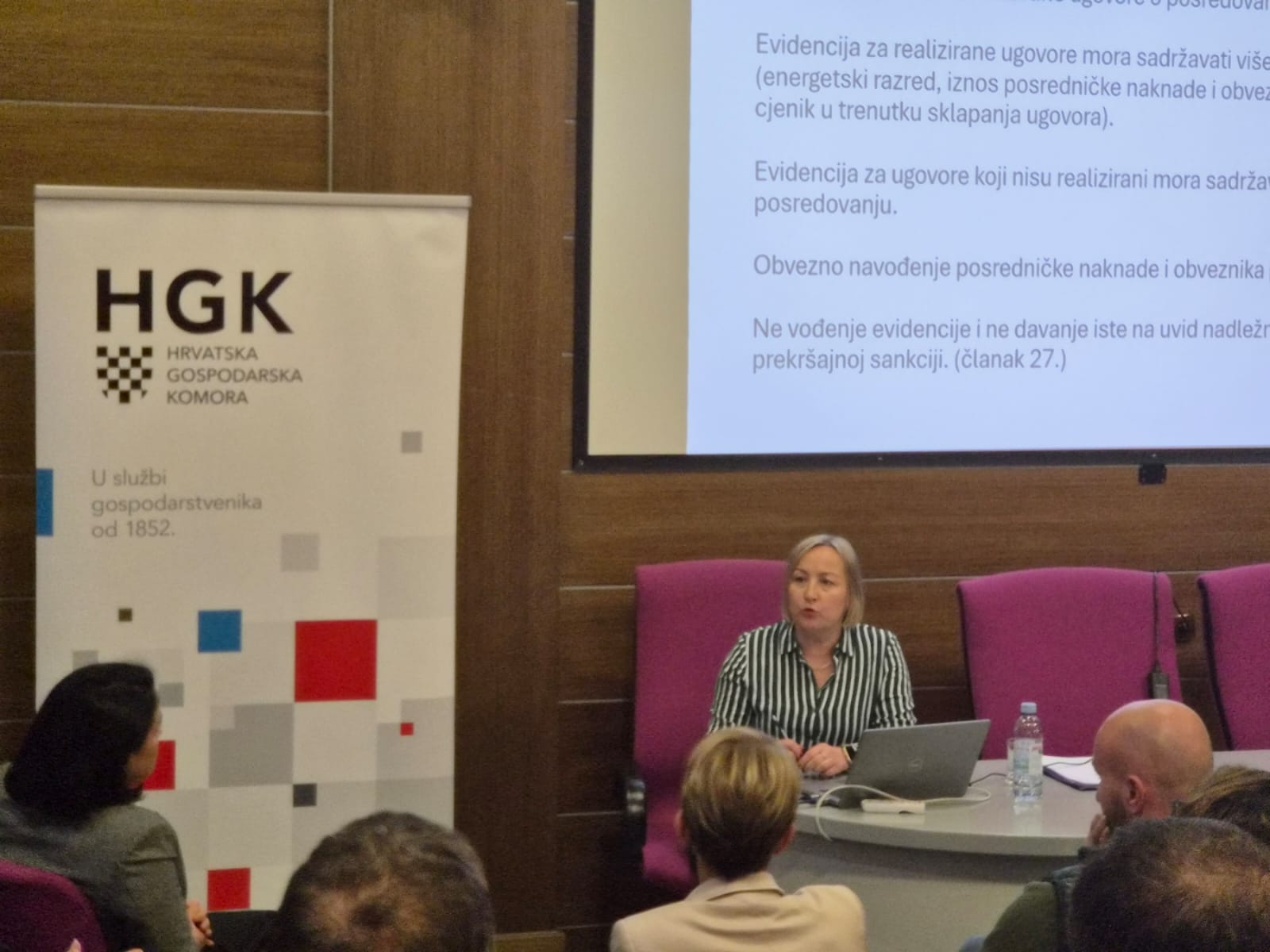
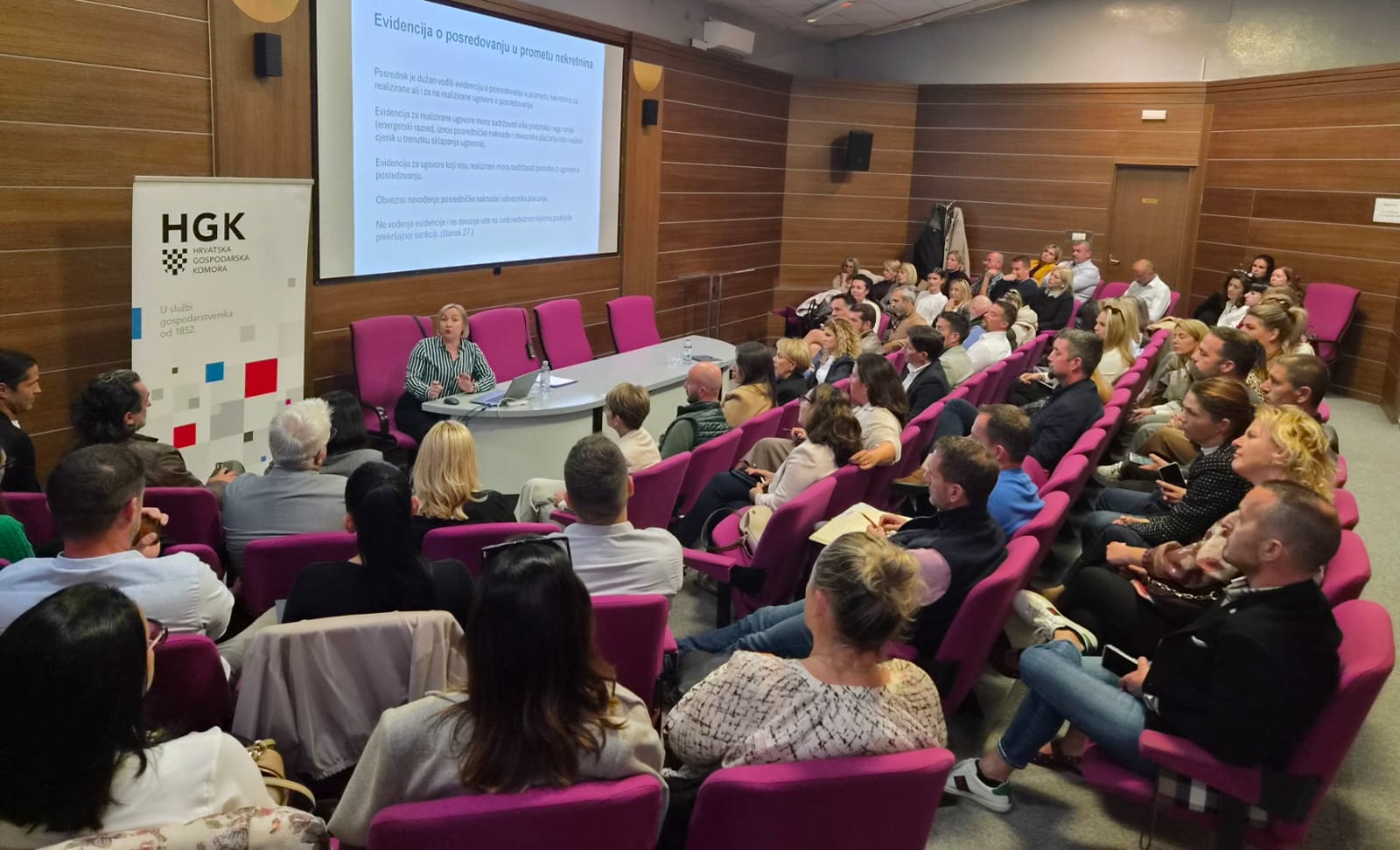
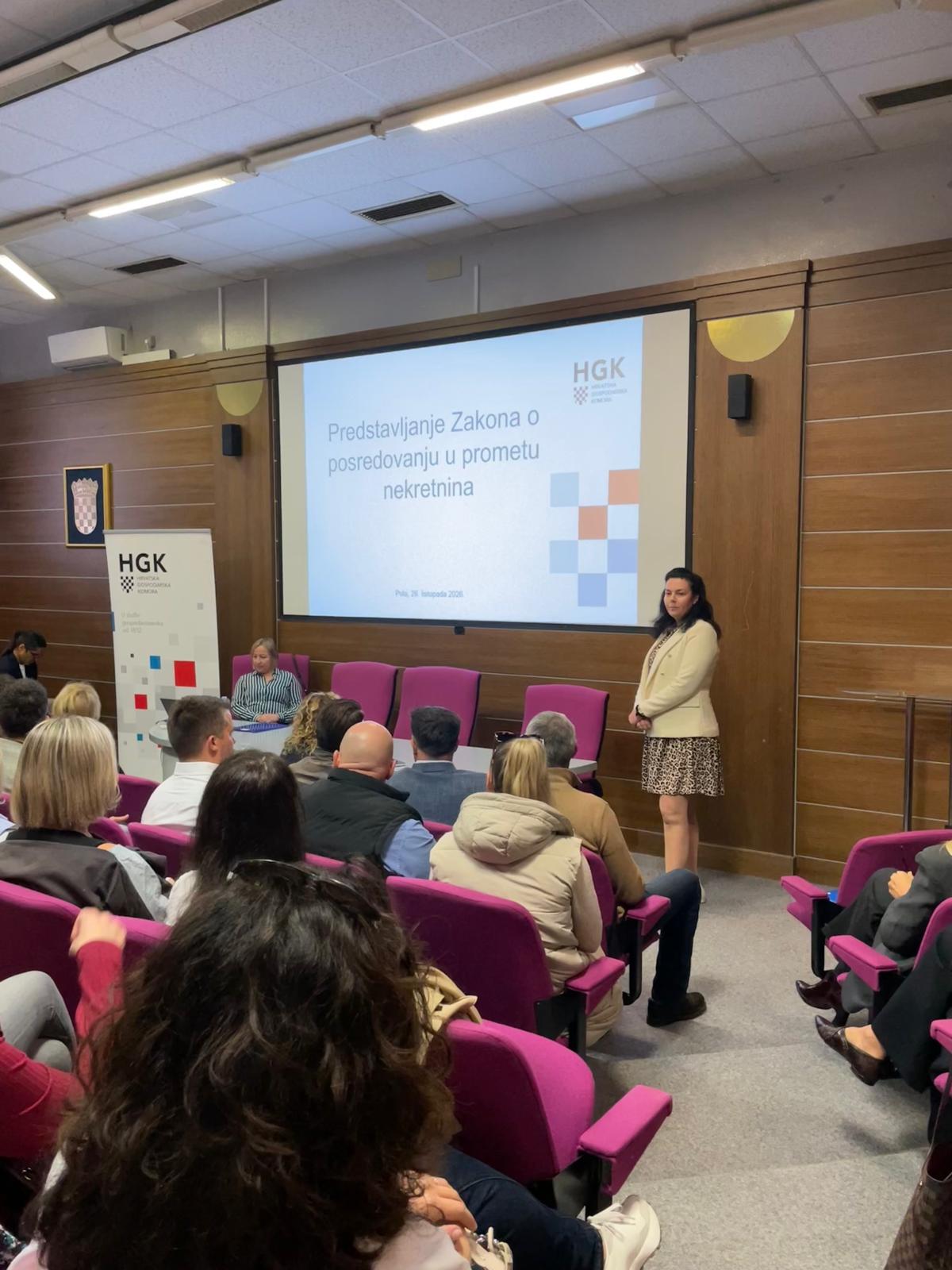
On 26 October 2026, the Croatian Chamber of Economy’s Pula County Chamber hosted a roundtable entitled “Presentation of the Real Estate Brokerage Act”. The event was organised by the Pula County Chamber and the Ministry of Economy. Sanja Popović from the Ministry presented the legislative provisions, focusing on their application in brokers’ day-to-day work. Official event announcement by the Croatian Chamber of Economy.
I was pleasantly surprised by the strong turnout. A full room and the many questions raised by agents showed a willingness to take an active part, share experiences and help improve professional standards. The discussion brought up specific areas of uncertainty that affect both the work of agencies and the experience of buyers and sellers.
Professional standards and operating requirements
The presentation covered the status of agents, their relationship with brokerage firms, registration, professional liability insurance and the requirement of good repute. The discussion also addressed branch operations, cooperation between agencies and the distinction between properly structured business cooperation and inappropriate arrangements for engaging agents.
One question concerned an agency left without its sole employed agent while the owner was employed elsewhere. Participants highlighted the practical consequences of such a situation, including costs that continue to accrue while business is suspended.
Examples like these show why knowledge of the regulations needs to be supported by clear guidance on how to act in specific circumstances.
Clear contracts, fee schedules and brokerage fees
The most extensive discussion centred on service agreements, the relationship between published fee schedules and individually agreed fees, and situations where both parties commission a service.
For buyers and sellers, it is essential to understand who represents them, what the service includes and what payment obligations they are taking on. Agents described situations in which clients are confused by the difference between the amount listed in a fee schedule and the fee agreed for a particular transaction.
Various percentages were used during the discussion as examples of negotiation and contractual arrangements. They did not constitute a collective agreement within the profession on service pricing.
Other topics included the contractual basis for advertising a property, the content of advertisements, general terms and conditions, and changes to fee schedules. Transparency was the common thread: documents and communication should enable clients to understand the business relationship they are entering into.
Viewings, personal data and proper record-keeping
An important topic was the position of a prospective buyer who wishes to view a property but has not commissioned a brokerage service. The presentation emphasised the distinction between such a person and a buyer who enters into an agreement with an agency for a service of their own.
Agents raised questions about repeat viewings, assessing how serious a prospective buyer’s interest is and protecting the client who commissioned the service. Particular attention was paid to when basic personal details should be obtained and how to proceed when an interested person refuses to identify themselves or sign a viewing confirmation.
The discussion also covered the obligation to keep records of sales that did not proceed, which must include complete documentation from 1 July 2026, as well as records of completed contracts. Participants asked about digital formats, the information required and the possibility of a standardised form. Regarding the signing of contracts, it was pointed out that, under the law, a contract must be signed in person or with a qualified electronic signature. A scanned signature sent by email is not legally valid in itself, although courts may give such messages and documents evidential weight and recognise a degree of validity.
These are areas in which clear procedures can make agencies’ work easier and reduce misunderstandings with clients. Certain questions, particularly those concerning previously concluded contracts and specific signing methods, remained open for further clarification.
Exclusive agreements and protecting brokers’ professional work
Exclusive brokerage arrangements prompted numerous comments about protecting investment in marketing, property presentation, viewings and communication with prospective buyers.
Participants shared various examples: owners selling directly, sales through another agency and brokers being bypassed after a buyer had learned about the property. The discussion also covered how to demonstrate that brokerage services had been provided and the right to a fee after the agreement has ended.
These examples did not produce a single answer applicable to every situation. They demonstrated the need for precise contracts, documented work and clearer professional guidance.
Agents also raised concerns about unregistered brokerage activity and the importance of a level playing field. They pointed out that unregistered agents operating illegally often go unpunished, even though their activities damage the reputation of the profession as a whole. They therefore called on the relevant authorities to step up oversight of such operators, particularly as inspections in practice most often focus on those who operate legally and duly pay their taxes and social contributions. The discussion also raised the question of how to explain the scope of a professional service and the costs behind it more clearly to the public.
From agents’ questions to further professional development
At the end of the discussion, participants were invited to email any additional questions to the Croatian Chamber of Economy for further communication with the Ministry of Economy. This provided a practical way to continue the dialogue on issues that had not been fully clarified.
As President of the Professional Group, I see the strong turnout as encouragement to continue organising professional events and training. It matters to me that agents contribute their own experiences, because these show exactly where further clarification is most needed.
Our aim is to raise professional standards and legal certainty in the property market. Clearer rules, responsible business practices and straightforward communication help protect the public, build trust in the profession and ensure appropriate protection for brokers’ work.