 +385 52 501 333
 info@maris.hr


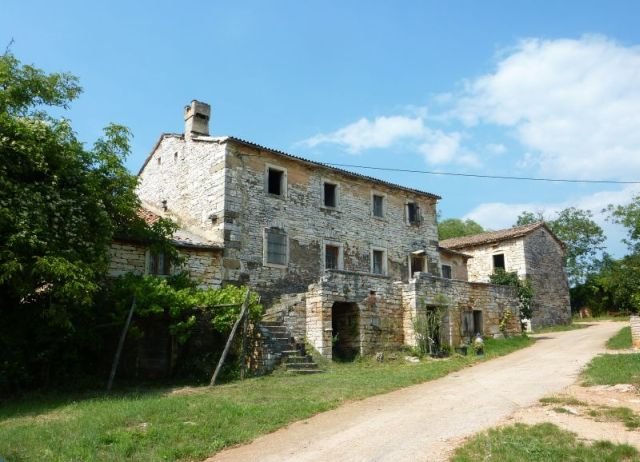
The property purchasing process in Croatia for foreigners
First published: 01/06/2013 – Updated: 2025
If you are buying property in Croatia and you already have Croatian citizenship (certificate or passport), the bureaucracy is relatively simple. You are treated like any other Croatian citizen.
Since Croatia joined the European Union, citizens of EU Member States – and, under certain conditions, citizens of Iceland, Norway, Liechtenstein and Switzerland – have been able to buy most types of real estate in Croatia under similar rules as Croatian citizens, with certain exceptions (primarily agricultural land and specific protected areas).
However, there are still a number of regulations and laws in Croatia that govern how foreigners can acquire ownership of real estate. Below, we outline the basic rules and steps, depending on whether you are an EU/EEA/Swiss citizen or a non-EU national.
1. Buying Real Estate in Croatia as an EU/EEA/Swiss Citizen
If you are a citizen of an EU Member State, or a legal person established in the EU, Iceland, Norway or Liechtenstein, you can generally buy real estate in Croatia under the same conditions as Croatian citizens and companies. Citizens of Switzerland can also buy most types of property under similar rules, with some formalities (such as proof of residence) in certain cases.
In practice, this means that:
-
no special approval from Croatian ministries is required for most residential and commercial properties
-
the purchase process is very similar to that of local buyers
-
after signing the purchase agreement and paying the purchase price and taxes, you can register your ownership in the Land Registry (Zemljišne knjige)
Exception – agricultural land & special categories
Acquisition of agricultural land, forests, and some strategically important or protected areas is governed by special laws and may be restricted or subject to additional conditions, regardless of your citizenship.
Before committing to a purchase, it is crucial to verify:
-
land-use designation (building land vs. agricultural land)
-
whether the plot is in a protected or security-sensitive area (border zone, maritime domain, etc.)
2. Buying Real Estate in Croatia as a Non-EU Citizen
If you are a foreign national who does not live in the EU/EEA/Switzerland, you can still buy property in Croatia, but under the principle of reciprocity.
This means that:
-
your country must have reciprocity with Croatia regarding real estate acquisition
-
the Croatian Ministry of Justice, Public Administration and Digital Transformation must approve the transaction before your ownership can be registered
The reciprocity requirement is a formal legal condition. An up-to-date list of countries for which reciprocity exists is published by the Ministry of Justice, Public Administration and Digital Transformation.
Once reciprocity is confirmed, the procedure is an administrative one: you submit a request, attach the required documents and wait for ministerial consent.
2.1. Which Documents Do You Need?
To obtain consent, you (or your lawyer) must send a written request to the Ministry of Justice, Public Administration and Digital Transformation and enclose the following:
-
Legal basis for acquisition of ownership
– e.g. real estate purchase agreement, deed of gift, lifelong support contract, etc. (original or certified copy) -
Proof of ownership by the seller
– a current extract from the Land Registry for the relevant real estate -
Certificate on the legal status of the real estate
– issued by the local administrative body for urban and physical planning, confirming whether the property is located within a construction zone according to the urban development plan -
Proof of citizenship and/or legal status of the prospective owner
– certified copy of passport (for individuals) or an excerpt from the court/register (for foreign legal entities) -
Power of attorney (if applicable)
– original or certified copy if the applicant is represented by an attorney-in-fact -
Attorney for service of documents in Croatia
– if the applicant is abroad and has not appointed an attorney-in-fact, they must appoint a person in Croatia to receive official documents
Important:
The Ministry may invite the party to submit additional documents within a specified period if needed for the procedure.
Once the Ministry issues its approval, you can proceed with the registration of ownership in the Land Registry.
3. Exceptions for Foreign Companies
An important exception applies to foreign nationals from outside the EU who already have a company registered in Croatia (for example, a d.o.o.).
If a Croatian company buys the property:
-
it is generally not necessary to obtain a special decision from the Ministry for that purchase
-
the acquisition is treated like any other purchase by a Croatian legal entity
This often simplifies and speeds up the purchasing process. However, in very specific situations where the only purpose of acquiring shares in a Croatian company is to obtain a particular property, the authorities may still examine the transaction.
4. Selling Property in Croatia as a Foreigner
Foreigners are allowed to sell their real estate located in Croatia.
In terms of selling, all foreigners are treated equally to Croatian citizens:
-
the sales process is the same
-
tax rules on capital gains, rental income and transaction tax are applied under the same framework, depending on your specific situation and any applicable double taxation agreements
It is highly advisable to consult both a Croatian tax advisor and a tax professional in your home country, especially if you are a US, Canadian or Australian tax resident.
5. How to Simplify the Purchasing Process
The whole process becomes much easier if you work with a licensed Croatian real estate agency and a local legal and tax team. An experienced team can:
-
help you find the right property that matches your goals and risk profile
-
coordinate lawyers, notaries and surveyors
-
verify zoning, land-use and ownership history
-
prepare and collect all necessary documents
-
submit the request to the Ministry on your behalf (if needed)
-
follow the procedure until the final registration of ownership in the Land Registry
At Maris Real Estate in Pula, we regularly guide foreign buyers through the entire process – from the first viewing to the moment your name appears in the Land Registry.
6. Where to Find Official Information
For the most up-to-date and official rules, always refer to:
-
the website of the Ministry of Justice, Public Administration and Digital Transformation (information on acquisition of real estate by foreign nationals and reciprocity tables)
-
the official investment portals of the Republic of Croatia, which summarise conditions and incentives for foreign investors
Author: Aljoša Vučetić, Maris Real Estate Agency, Pula
